
Chain Link Fence Fittings Guide - In-Depth List
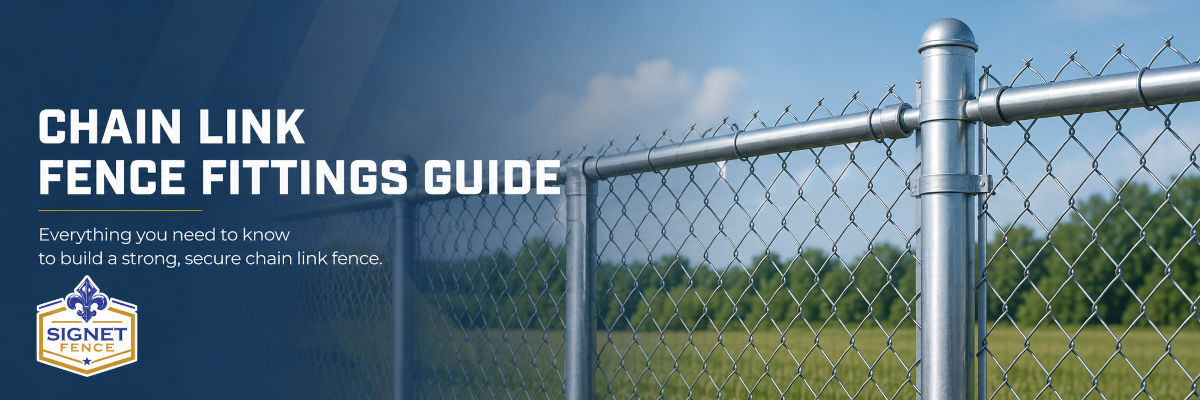
Chain Link Fence Fittings Guide: Complete Parts List, Diagram & Pro Installation Tips
Building a strong, long-lasting chain link fence starts with choosing the right fittings. From brace bands and tension bands to rail ends and caps, each component plays a critical role in the structural integrity of your fence system. Whether you're a contractor or a DIY homeowner, this complete guide breaks down every essential chain link fence fitting, how they work together, and how to choose the right parts for a professional-grade installation.
Chain Link Fence Parts Diagram (How It All Connects)
Every chain link fence system is made up of a framework of posts and rails, connected by specialized fittings that secure the mesh and maintain alignment.
- Terminal Posts: End, corner, and gate posts that anchor the fence
- Line Posts: Vertical posts spaced between terminal posts
- Top Rail: Horizontal rail running along the top of the fence
- Chain Link Fabric: The mesh material that forms the fence barrier
- Fittings: Hardware that connects and secures all components
Pro Tip: A properly installed fence distributes tension evenly across all fittings. Weak or undersized fittings can lead to sagging, misalignment, or failure over time.
Complete Chain Link Fence Fittings List
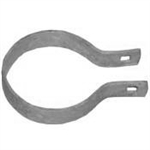
Brace Bands
Brace bands attach horizontal rails (top rail or brace rail) to terminal posts. These are one of the most important structural fittings in any chain link fence system.
- Use: Connect top rail to terminal posts
- Where Installed: End posts, corner posts, gate posts
- Pro Tip: Always match the band size to the outside diameter (OD) of the post
- Buying Tip: Buy flat bands for residential installs and bevelled bands (heavier gauge) for commercial installs.
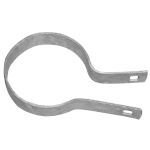
Tension Bands
Tension bands secure the chain link fabric to terminal posts using a tension bar. Proper spacing is critical for maintaining tension and preventing sagging.
- Use: Attach mesh to terminal posts
- Spacing: One band per foot of fence height, less one (6' fence = 5 bands)
- Pro Tip: Increase band count in high-wind or commercial applications with heavy fabric
- Buying Tip: Buy flat bands for residential installs and bevelled bands (heavier gauge) for commercial installs.
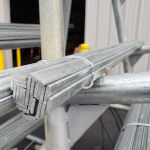
Tension Bars
Tension bars run vertically through the chain link fabric and connect to tension bands, distributing force evenly across the fence.
- Use: Reinforce mesh attachment to terminal posts, keep fabric aligned straight
- Material: Galvanized steel or coated options
- Pro Tip: Use 5/8" tension bars for residential installations and 3/4" tension bars for commercial installs
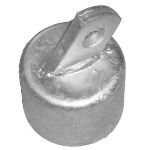
Rail Ends (End Cups)
Rail ends connect the top rail to terminal posts and are secured with brace bands.
- Use: Terminate and secure top rail
- Material: Pressed Steel or Aluminum
- Important: Must match rail diameter exactly
- Pro Tip: Use combo rail ends for fences with mid-brace rails and truss rods at terminal posts
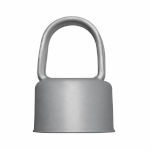
Loop Caps
Loop caps sit on top of line posts and allow the top rail to pass through continuously.
- Use: Maintain top rail alignment
- Types: Aluminum, pressed steel, heavy-duty options
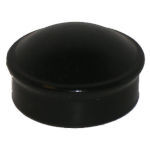
Post Caps
Post caps protect the tops of posts from water intrusion and provide a finished appearance.
- Use: Protection and aesthetics
- Options: Dome caps, flat caps, decorative caps
- Pro Tip: Post caps are sized according to the outside diameter of the post (2" fits a 2" (1-7/8" actual O.D.) post)
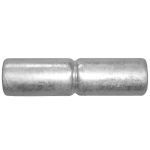
Top Rail Sleeves
Top rail sleeves connect two sections of top rail to form a continuous run.
- Use: Join rail sections
- Alternative: Swedged top rail (pre-fitted ends)
- Pro Tip: You can use expansion springs to create a taut line of top rail and reduce movement
Tie Wires
Tie Wires connect chain link fabric to line posts and top rail.
- Use: Weave through the fabric mesh and around the line post / top rail and twist tightly with pliers
- Material: Typically 9 gauge aluminum or steel, 6 gauge is also available, but harder to bend
- Pro Tip: Place Tie wires about 1 foot apart on line posts and 2 feet on the top rail
- Buying Tip: For larger line posts (2-1/2" or bigger), you'll often need one size tie for the top rail and another size for the line posts.
Carriage Bolts
Carriage Bolts fasten many different types of bands and clamps on a chain link fence
- Use: Fasten brace bands, tension bands, and different types of pipe clamps
- Buying Tip: Bands take 5/16" x 1-1/4" Carriage Bolts, while bolts for clamps are based on the size of the pipe you are clamping on
What Fittings Do You Need for a Chain Link Fence?
A standard chain link fence requires a combination of fittings depending on the layout and height of the fence.
- Each Terminal Post Requires:
- Brace bands
- Tension bands (based on fence height)
- Tension bar
- Carriage Bolts (5/16" x 1-1/4" for bands)
- Each Line Post Requires:
- Loop cap
- Wire Ties
- Each Rail Connection Requires:
- Rail end + brace band OR top rail sleeve
Example: A straight 6' tall fence with two end posts will typically require 10 tension bands, 2 tension bars, and 2 or more brace bands depending on the configuration.
How to Choose the Right Chain Link Fence Fittings
- Match Post & Rail Size: Fittings must match the exact outside diameter (OD) of your pipe
- Choose the Right Finish: Galvanized for durability, black or vinyl-coated for appearance
- Consider Environment: Coastal or high-moisture areas require corrosion-resistant coatings
- Use Professional Grade Hardware: Heavier gauge fittings last longer and perform better under stress
Brace Bands vs Tension Bands (Key Differences)
| Feature | Brace Bands | Tension Bands |
| Purpose | Connect rails to posts | Secure mesh to tension bars |
| Location | Terminal posts | Terminal posts |
| Quantity | One or more per post | One per foot of height, less 1 |
Common Mistakes When Buying Chain Link Fence Fittings
- Ordering fittings that don’t match post diameter
- Using too few tension bands
- Mixing galvanized and coated components improperly
- Choosing light-duty fittings for heavy-duty applications
Pro Installation Tips from the Field
- Pre-fit all fittings before setting posts: Saves time and avoids rework
- Tighten carriage bolts fully: Loose fittings lead to movement and wear
- Align bands consistently: Improves both strength and appearance
- Use extra bands in high-stress areas: Especially near gates and corners
Complete Your Fence with the Right Hardware
For a reliable installation, pair your fittings with high-quality hardware like chain link carriage bolts. You can also shop individual fittings such as brace bands, tension bands, and rail ends to build a complete system tailored to your project.
Frequently Asked Questions About Chain Link Fence Fittings
What size chain link fence fittings do I need?
Fittings must match the outside diameter (OD) of your posts and rails. Common sizes include 1-3/8", 1-5/8", 2", and 2-1/2".
Are chain link fence fittings universal?
No. Fittings are sized specifically to match pipe diameters, so it’s important to select the correct size for your system.
How many tension bands do I need for a 6-foot fence?
A 6-foot fence typically requires 5 tension bands per fabric termination.
Can I mix galvanized and black fence fittings?
Yes, but it’s best to match finishes for both appearance and corrosion resistance.
Do I need a tension bar for every terminal post?
Yes. Each fabric termination requires a tension bar to properly secure the chain link fabric. So, corner posts require 2 tension bars each.
What happens if I use too few tension bands?
The fence fabric may sag or become loose over time, especially under wind load.